#6months of Morocco
NEWSLETTER. Victories on the international stage with significant progress on Western Sahara; mass youth protests lead to reforms and arrests.
What happened.
On the international stage, this semester has been significantly shaped by events in the Western Sahara dossier. Although progress has continued over the last six months, the most significant news was concentrated into a few hectic days in October.
At the start of the month, the trade agreement between Morocco and the EU was renewed, granting preferential tariffs to Moroccan agricultural products (including those from Western Sahara) when entering the EU market. Having been previously annulled by rulings of the Court of Justice of the EU on 4 October 2024, both parties manoeuvred quickly and discreetly to sign a new agreement. They claimed to have obtained the 'tacit consent' of the Sahrawi people by increasing humanitarian aid to the Tindouf refugee camps. However, it is unclear whether this mechanism meets the CJEU's criteria for recognising the compulsory Sahrawi consent, especially the requirement that the offered advantage be 'precise, concrete, substantial and verifiable'. This is why the agreement has drawn strong criticism in the European Parliament and could be legally overturned in the future. We analysed this in an extensive report:
 Maghrebia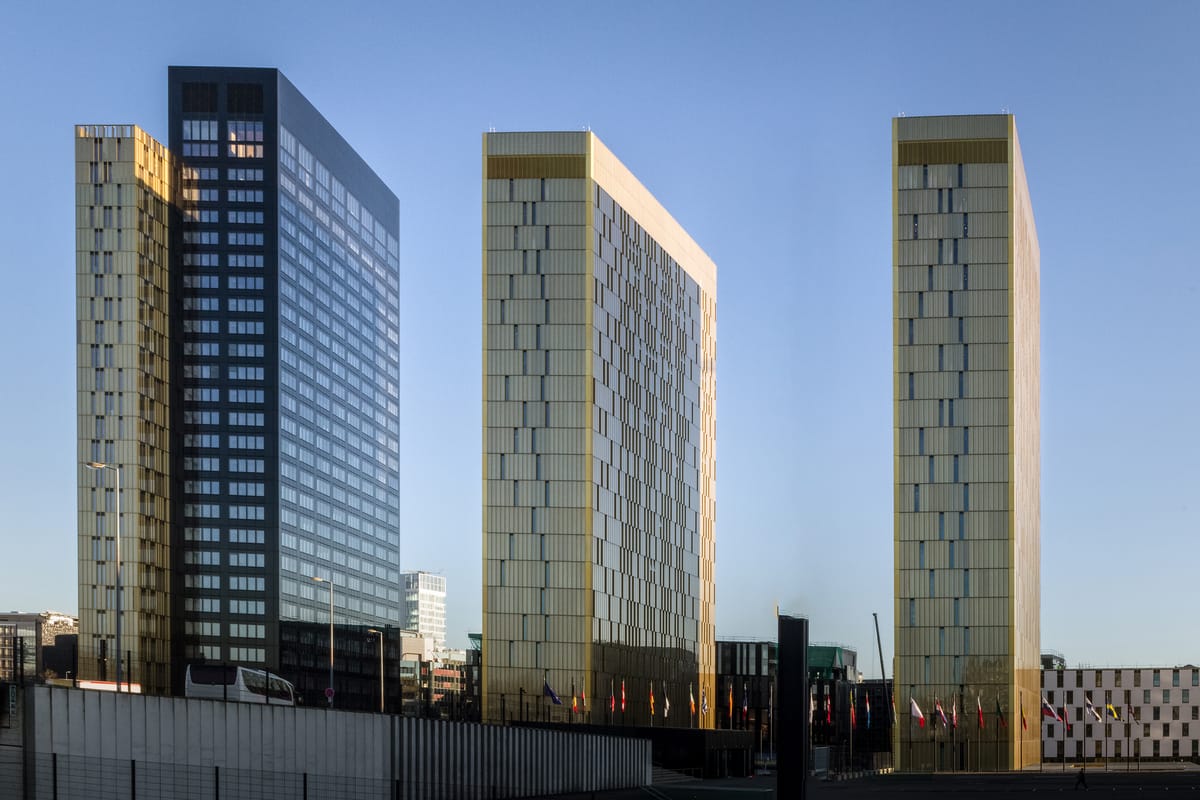
Regarding the political process promoted by the United Nations, the renewal of the MINURSO mandate at the end of October also led to a flurry of news. Throughout the semester, important developments occurred, including the United Kingdom's recognition of the Moroccan autonomy initiative as 'the most viable, credible and pragmatic basis for a lasting resolution of the conflict', and a new round of talks by Personal Envoy De Mistura. However, the necessary vote in the Security Council at the end of the month prompted Morocco to intensify its diplomatic efforts. In an attempt to secure Russian support, Morocco signed an important fishing agreement a few days earlier. Despite efforts by the Polisario Front and Algeria to counteract the initial 'Trumpian' wording of the resolution, which was too favourable to Morocco, the final approved text gave some prevalence to the Moroccan plan for the territory. It considered the plan to be the 'most feasible solution' and a basis for negotiations between the parties, although not the only one. China and Russia's abstention allowed for an approval that was widely celebrated in Morocco. However, King Mohammed VI himself avoided talking about victory, proclaiming the occasion a 'Unity Day' instead, and committing to detailing the 2007 autonomy plan and reaching out to Algeria (for the second time this year) to involve it in a definitive solution. We also published our own analysis in the days leading up to the resolution:
 Maghrebia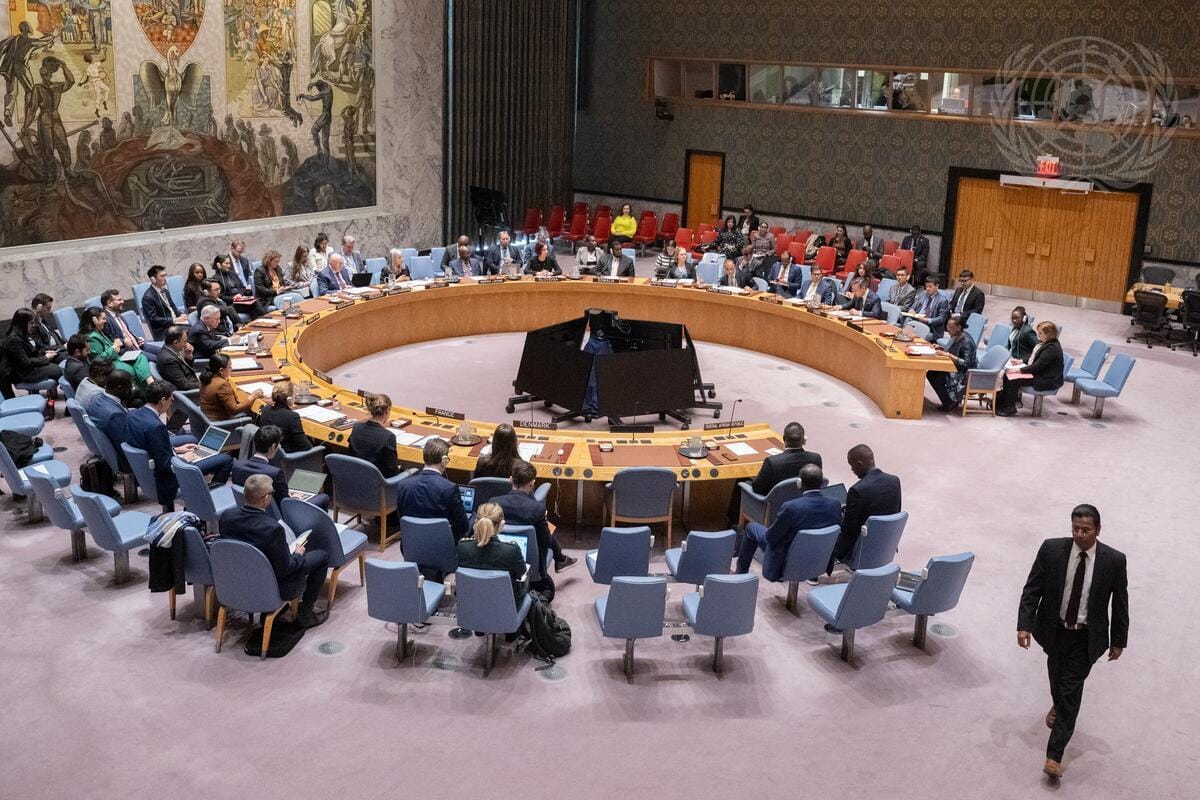
Beyond the issue of the Sahara, Rabat's foreign policy has also been influenced by the conflict in Gaza. The normalisation resulting from the Abraham Accords forces Morocco to tread carefully, given the strong support for the Palestinian cause among the Moroccan population. Unsurprisingly, several demonstrations of solidarity with the Palestinian people and rejection of Israeli–US operations in Iran took place at the beginning of this semester, and popular support for renewed relations with Tel Aviv has fallen dramatically — from 31% in 2022 to just 13% today. This may have prompted Foreign Minister Bourita to adopt a more critical stance towards Israel during a meeting with the EU in September, when he condemned the incursion into Qatar and highlighted Morocco's efforts to promote the two-state solution. Nevertheless, Morocco's relationship with Israel certainly affects its standing in the Arab world, especially after Special Rapporteur Francesca Albanese accused it of complicity in the conflict by facilitating the maritime and air transit of weapons and energy to Israel alongside other countries.
As for relations with Spain, both Madrid and Rabat boast about the excellent state of their relationship following the serious crisis of 2021. The number of immigrants arriving in Spain, which can be used as an indicator of the strength of the relationship given Rabat's past use of this phenomenon, has decreased substantially on the most common sea routes from Morocco compared to 2024 (although land routes have increased). Alongside preparations for the 2030 World Cup, which have received extensive media coverage in Morocco, both countries have attached strong symbolic significance to the project of building a tunnel under the Strait of Gibraltar. The Spanish government has commissioned a new feasibility study confirming the tunnel's construction is possible, albeit at an astronomical cost and within a decade. However, despite the apparent good relations between the two executives, the Popular Party has deliberately appeared into bilateral relations. This has been achieved by inviting the Polisario representative to its congress in Valencia before the summer; by firmly opposing the agricultural agreement, rejecting it in both the Spanish Assembly and the European Parliament; and by holding a new meeting with members of the Front in the Canary Islands at the end of November, clearly stating the Popular Party's support for the Sahrawi position.
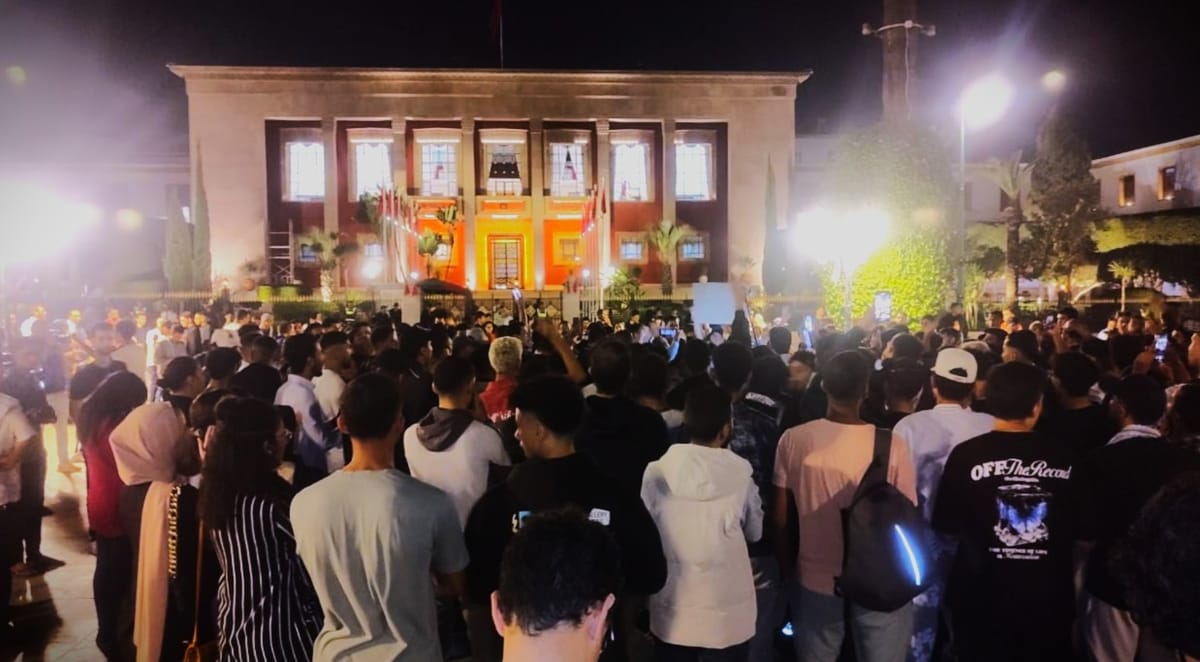
Domestically, attention has focused on the ‘GenZ 212’ protests. This youth movement has no clear leadership and was organised spontaneously through Discord. It held its first mass rallies in late September in the country's major cities following the deaths of up to eight women during childbirth in a hospital in Agadir. The young people were protesting against the poor state of healthcare and education throughout the country, in contrast to the significant – and widely publicised – investment in sports infrastructure. Although the rallies were mostly peaceful, multiple arrests were made from the outset, including many minors, and they degenerated into several violent episodes and the deaths of up to three protesters in their second week. The Akhannouch government was singled out by the outrage of the young people and publicly acknowledged the legitimacy of the protests and the need for reforms. However, it argued that more time was needed to implement them because they involved infrastructure and far-reaching measures that had already been adopted, such as the construction of health centres and the training of doctors. Despite the absence of protest leaders with whom to discuss the proposals, it said it was open to dialogue. In a highly anticipated speech to Parliament on 10 October, King Mohammed VI urged the acceleration of reforms and the fight against inequality. Although he did not directly refer to the GenZ212 protests, he asked parliamentarians to prioritise citizens, demonstrate commitment, and promote development in all regions. While this was not the robust response that young people had hoped for, the speech, as well as the acknowledgement by the judicial system of the heavy-handed repression — with 2,480 prosecutions for serious offences, of which 1,473 individuals are still on trial, including 269 who have been sentenced to up to 15 years in prison — largely succeeded in quelling the protests, which continued for a few more days with limited support.
Morocco has enjoyed a considerably positive economic trend recently, with a growth forecast of 4.4%, and significant industrial development thanks to international partners arriving this semester, such as India's Tata with their new armoured vehicle factory, French aerospace company Safran with their announced engine assembly, and the Sino-African joint venture COBCO with their mega lithium battery factory, which is key to Morocco's plans to consolidate its position as the continent's leading car manufacturer.
What's next.
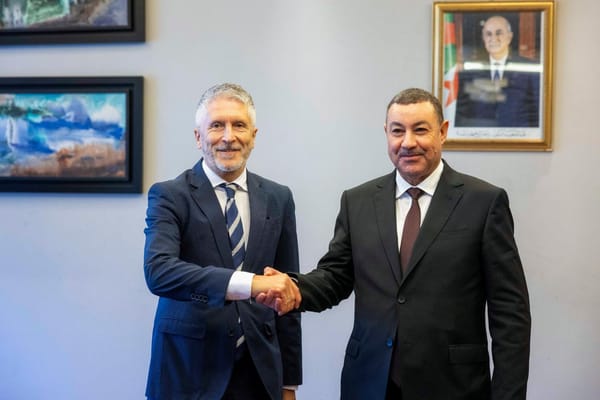
Closer to home, the Spain-Morocco High Level Meeting begins in Madrid today. The meeting aims to publicly consolidate the good relations between the two governments, and both will use it to boast about their positive cooperation on economic, security and immigration matters. It cannot be ruled out, of course, that Morocco will insist — behind closed doors — on asserting its position on the Sahara, pressuring the Spanish government — as it has done in the past — to recognise its sovereignty over the territory, as the US and France have already done. These positions are well known and Rabat may consider the recent Security Council resolution to legitimise them, allowing it to intensify the pressure. Conversely, despite the publication of information on the subject, it does not appear that the good state of bilateral relations will be jeopardised by the introduction of less pressing issues, such as air traffic management, the delimitation of the exclusive economic zone, the alleged claim to Mount Tropic (recently raised by government-affiliated media outlets) or, in our opinion, the increase in the number of immigrants arriving by land in Ceuta and Melilla (a 46.2% increase compared to the January–November 2024 period). Morocco has a strong incentive to maintain good relations and retain Spain as an important ally in view of the imminent negotiations on the Sahara next year. In any case, the apparent sovereignty claims leaked to the Moroccan press seem to us to be nothing more than trial balloons aimed at counteracting the latest positions of a potential alternative Spanish government. Our government should take advantage of the meeting by promoting our companies and seeking firm commitments from Rabat for greater cooperation and joint infrastructure and service development for the 2030 World Cup, which was one of the objectives of the joint bid after all.
In order to continue positioning itself as a reliable international partner, Morocco must project an image of prosperity and stability, which is incompatible with irresponsible behaviour. In this regard, the Africa Cup of Nations, which starts in December, will be a litmus test of Morocco's ability to host such events, as well as providing a real opportunity to showcase itself to the outside world ahead of the World Cup. Rabat is well aware that effective security management and hospitality will be crucial in raising its status as a country and presenting itself as a partner to be reckoned with in its currently turbulent neighbourhood. It will therefore be important to monitor whether the GenZ 212 protests are reignited and take advantage of the media attention — the protesters had previously highlighted the cost of building large stadiums — and to observe how the authorities respond.
Finally, the long-awaited negotiations on Western Sahara will take centre stage over the next six months. Having seen its proposal promoted as a basis for dialogue, Rabat has committed to detailing what such autonomy would entail. This is an exercise that it has already started, but it may prove politically sensitive due to possible grievances in less favoured regions (e.g. rural areas and the Rif region). However, the balance sought in the drafting process may weigh down the UN resolution with ambiguity, which could hinder the upcoming negotiations as each party clings to the part of the text that best defends its position. In any case, there seems to be momentum for negotiations, with Algeria willing to act as mediator and Washington determined to 'pacify' the Maghreb 'in sixty days'. Time will tell if these intentions are diluted in the face of more urgent international issues or if we will finally see serious, concrete initiatives to resolve the long-standing conflict.